The Ultimate Guide to Gutter Cleaning, Repair, and Maintenance
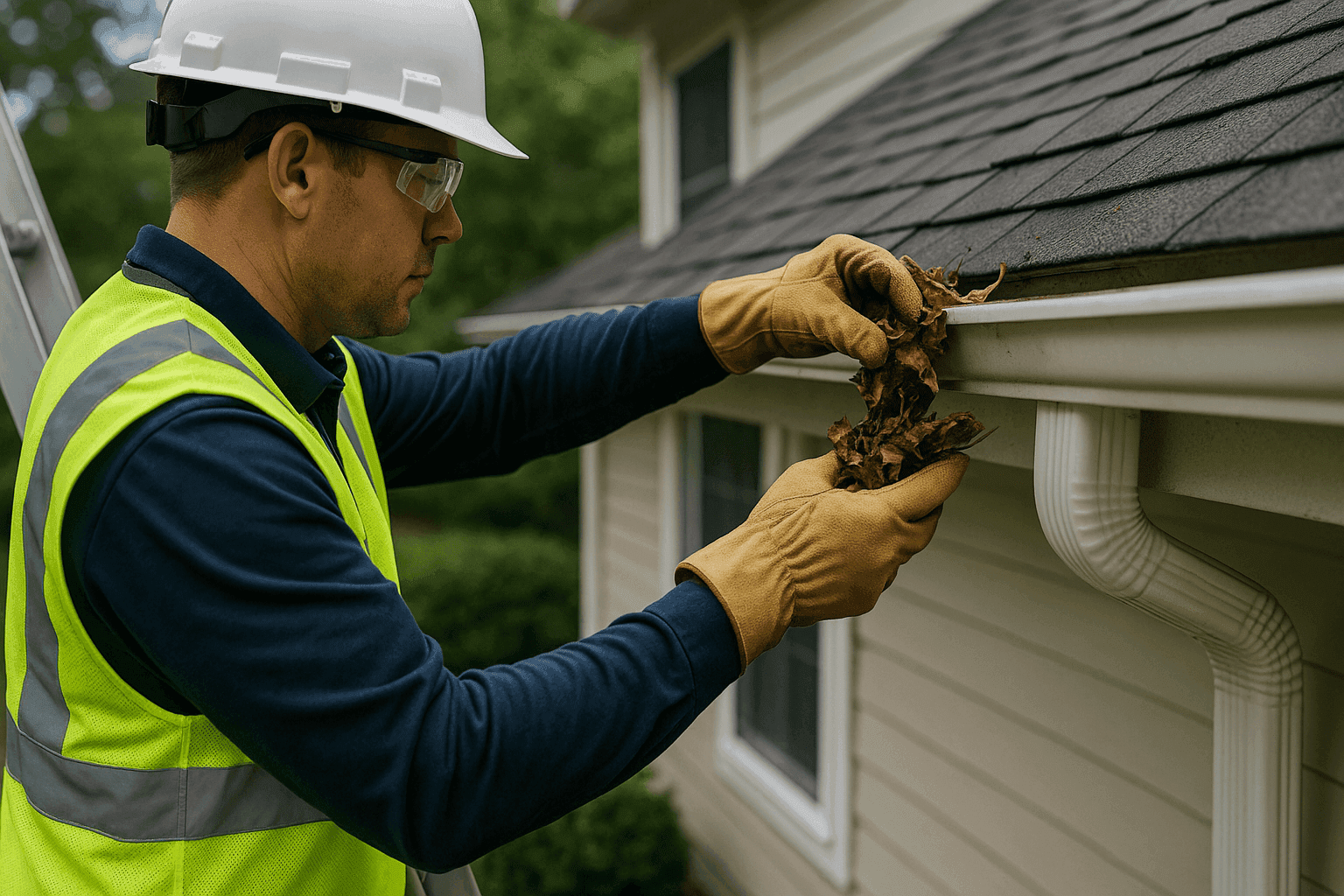
Is your home’s gutter system doing its job? If you’ve ever stared up at a clogged, sagging gutter and wondered if it’s really that big of a deal, you’re not alone. Many homeowners put off gutter maintenance until it’s too late—then face leaks, water stains, or worse.
At BLH Roofing, we’ve tackled every gutter mess imaginable. Let’s walk through the essentials that keep your gutters flowing and your home protected, without the headaches.
Why Gutters Matter for Roof Health 🏡
Gutters are more than just a finishing touch. Think of them as your roof’s rain boots—keeping water away from what matters most. When gutters work, rainwater is guided safely off your roof, down the spouts, and away from your foundation. When they fail, water is left to pool, seep, and cause chaos.
Here’s what well-maintained gutters do:
- Prevent water from seeping under shingles or roofing materials.
- Protect your home’s foundation from cracks caused by pooling water.
- Stop soil erosion and basement leaks before they start.
- Prevent costly repairs to siding, decks, and landscaping.
Neglected gutters can lead to rotten fascia boards, stained ceilings, and even mold inside the attic. According to the International Association of Certified Home Inspectors (InterNACHI), clogged gutters are among the top reasons for roof leaks and structural water damage. That’s a headache no homeowner needs.
Safe Cleaning Techniques: Ladders, PPE, and More
Before you grab a ladder, pause. Gutter cleaning means working at heights, often with slippery leaves and unpredictable footing. Safety isn’t optional—it’s the foundation.
Safety must-haves:
- Sturdy ladder: Use an extension ladder for second-story work. Inspect for loose rungs or feet.
- PPE (Personal Protective Equipment): Gloves protect from sharp debris, goggles keep dirt and pests out of your eyes, and non-slip shoes anchor your stance.
- Helper: Always have someone nearby to steady the ladder or call for help if needed.
- Toolbelt or bucket: Keep your hands free and avoid balancing tools on the roof.
Smart cleaning steps:
- Remove large debris by hand or with a gutter scoop.
- Use a garden hose to flush out remaining dirt and test downspout flow.
- Watch for leaks as water runs—these will show up as drips or small waterfalls.
- Clear downspouts with a plumber's snake if water isn’t flowing freely.
Never lean out too far. If you can’t safely reach a section, it’s time to move the ladder or call in a pro.
Identifying & Fixing Common Gutter Problems
Like a chain, your gutter system is only as strong as its weakest link. Let’s break down the big offenders:
Leaks
Leaks often appear at gutter seams or where the gutter meets the downspout. Over time, sealant can crack or wash away. For small leaks, clean the area and reseal with a high-quality gutter caulk. Larger holes may need a patch—a small piece of metal guttering, sealed and pressed into place.
Sagging Gutters
Sagging means your gutters are holding water or debris, or the hangers have pulled loose from the fascia. Tighten fasteners or replace damaged hangers. If wood behind the gutter is rotten, it will need repair to anchor the new hardware.
Blockages
Leaves, pine needles, and rooftop grit love to gather in gutters. Blockages force water over the sides, causing erosion or basement leaks. Regular cleaning is your best defense. Gutter guards can reduce debris, but still require annual checkups.
Overflowing Downspouts
If water shoots over the side or pours out near the foundation, your downspout may be clogged or undersized. Clear the blockage. For recurring problems, consider upsizing or adding extra downspouts.
Ice Dams
In colder climates, melted snow can freeze in gutters, creating ice dams. Ensure proper attic insulation and ventilation to reduce the risk, and never chip away ice with sharp tools—this can damage both gutter and roof.
When to Repair or Replace Your Gutters
Sometimes, a little TLC is enough. Other times, it’s like putting a bandage on a leaky boat.
Repair if:
- Leaks are isolated and the metal is sound.
- Only a few hangers are loose or missing.
- Minor rust spots can be sanded and sealed.
Replace if:
- Gutters are cracked, bent, or pulling away from the house in multiple sections.
- You see widespread rust or holes.
- Water damage shows up inside your home or along the foundation.
If your gutters are original to an older home, upgrading can improve both appearance and function—especially when paired with new roofing or Chimney Flashing near you.
Seasonal Gutter Care: Spring, Fall, and After the Storm 🌦️
Every season brings its own gutter challenges:
- Spring: Watch for leftover winter debris and check for ice damage. Spring storms can quickly fill gutters with seeds and twigs.
- Summer: Inspect for sagging after heavy rains. Trim overhanging branches to reduce leaf buildup.
- Fall: Leaves are the main culprit. Clean gutters more frequently if you have mature trees close to your house.
- Winter: Before snow falls, ensure gutters and downspouts are clear. After storms, check for ice dams or sagging from heavy snow.
After every major storm, do a quick walk-around. Look for new debris, loose sections, or signs of water overflowing gutters.
Eco-Friendly Gutter Solutions
Modern homeowners often ask about greener options. You can choose from:
- Rainwater collection barrels: Redirect gutter water for garden use—just be sure the system is covered to keep out mosquitoes.
- Leaf guards made from recycled materials: Help reduce maintenance and landfill waste.
- Downspout extensions: Channel water to rain gardens or permeable landscaping, reducing runoff and erosion.
BLH Roofing also offers eco-friendly sealants and coatings for gutter repair, minimizing the environmental impact of maintenance.
The Risks of Neglecting Gutter Maintenance 🚨
Skipping gutter care isn't just putting off a chore. It’s like ignoring a slow leak under your kitchen sink—trouble builds out of sight until it’s unavoidable.
What can go wrong?
- Foundation cracks and settling from water pooling around your home.
- Rotted fascia, soffits, and even roof decking from trapped moisture.
- Mold growth in attics, walls, or basements.
- Pest infestations—mosquitoes, termites, and rodents love clogged, damp spaces.
A clogged or broken gutter system is an open invitation for damage. Regular upkeep is the best insurance you can buy.
Safe Gutter Maintenance Checklist
Before you start, run through this quick list:
- Inspect ladder and tools for defects or damage.
- Wear gloves, goggles, and non-slip shoes.
- Never work alone—have a spotter or helper.
- Watch for electrical wires near the roofline.
- Don’t rush; take breaks if needed.
Following OSHA’s ladder safety guidelines can prevent most at-home accidents. If you’re ever unsure, the safest route is always to call in professional help.
DIY vs. Professional Help: When to Call BLH Roofing
Some tasks make sense for a Saturday afternoon. Others are best left to seasoned hands. Here’s how to decide:
DIY is fine for:
- Single-story homes with stable ground and easy ladder access.
- Light debris and routine cleaning.
- Minor leaks or tightening gutter hangers.
Call a professional when:
- Your roof is steep, high, or slippery.
- Gutters are damaged, rusted, or sagging badly.
- You notice persistent leaks or water damage inside your home.
- You’re uncomfortable working at heights or lack proper safety gear.
Pros bring specialized tools, harnesses, and years of experience to every job. Plus, we can spot hidden issues—like failing Chimney Flashing near you or early signs of roof rot—before they spiral.
What BLH Roofing Pros Do On Arrival
Wondering what happens when you call BLH Roofing? Here’s how we approach every gutter project:
- Thorough inspection: We check gutters, downspouts, roofing edges, and surrounding fascia for wear or damage.
- Debris removal: All leaves, sticks, and roof granules are cleared—by hand and with safe, professional tools.
- Downspout check: We ensure water flows freely, using snakes or gentle water pressure to break up clogs.
- Leak testing: Gutters are flushed and watched for drips, especially at seams and corners.
- Minor repairs: Loose fasteners are tightened, small leaks are sealed, and damaged sections are flagged for you.
- Safety first: We follow OSHA standards for ladder and roof work, keeping everyone protected on site.
It’s a thorough, step-by-step process designed to keep your home safe and dry.
Prevention & Maintenance: How to Keep Gutters Flowing
A little routine care goes a long way. Here’s how to stay ahead of gutter trouble:
- Clean gutters twice a year: Spring and fall are the big ones, but check more often if you have lots of trees.
- Install gutter guards: These can help, but still need annual checkups.
- Check after storms: Heavy rain or wind can dislodge debris or damage sections.
- Inspect for leaks and rust: Address small problems before they grow.
- Trim trees: Keep branches back from the roofline to minimize leaf and twig buildup.
Routine inspections often spot issues with roofing, Chimney Flashing near you, or even attic ventilation—helping your whole home system work together.
Costs & Time Factors
Gutter cleaning and repair costs depend on your home’s size, gutter condition, and access. Cleaning a single-story home is faster and less expensive than a three-story Victorian with mature trees.
- Basic cleaning: 1–3 hours for most homes.
- Minor repairs: Add 1–2 hours, depending on the issue.
- Replacement: Can take a full day or more, especially if fascia or roofing repairs are needed.
Remember, waiting too long can turn a $100 fix into a $1,000 headache. Preventative maintenance is always more affordable than emergency repairs.
When It’s an Emergency
Some gutter problems can’t wait. Call for help immediately if you see:
- Water pouring into your basement or crawlspace.
- Gutters pulling away from the house, especially during heavy rain.
- Large sections of gutter or downspout missing or collapsed.
- Significant water stains or leaks inside your home after a storm.
Fast action can stop minor damage from turning into a major problem.
FAQ: Gutter Cleaning & Repair
How often should I clean my gutters?
At least twice a year—spring and fall. More often if you have overhanging trees or frequent storms.
Can clogged gutters damage my roof?
Absolutely. Water can wick under shingles, rot wood, and lead to costly roof repairs.
What’s the best way to prevent gutter clogs?
Routine cleaning, trimming back trees, and installing gutter guards made from quality materials.
Should I clean gutters myself or hire a pro?
If you’re comfortable on a ladder and your gutters are easy to reach, DIY is fine. For high or steep roofs, or if you spot damage, call a professional.
Local & Seasonal Considerations
Gutter needs change with the seasons and your environment. Homes surrounded by pines fill up with needles fast. In storm-prone areas, wind-driven rain and debris can overwhelm even the best gutter systems. Snow and ice bring their own challenges. Consider eco-friendly solutions if you harvest rainwater or want to reduce runoff in sensitive areas.
No matter where you live, a little attention to your gutters protects your investment and your peace of mind.
Ready to safeguard your home from gutter headaches? Call BLH Roofing now — or reach us anytime at 877-748-7294 .