Roof Replacement Cost Guide: What Homeowners Should Expect
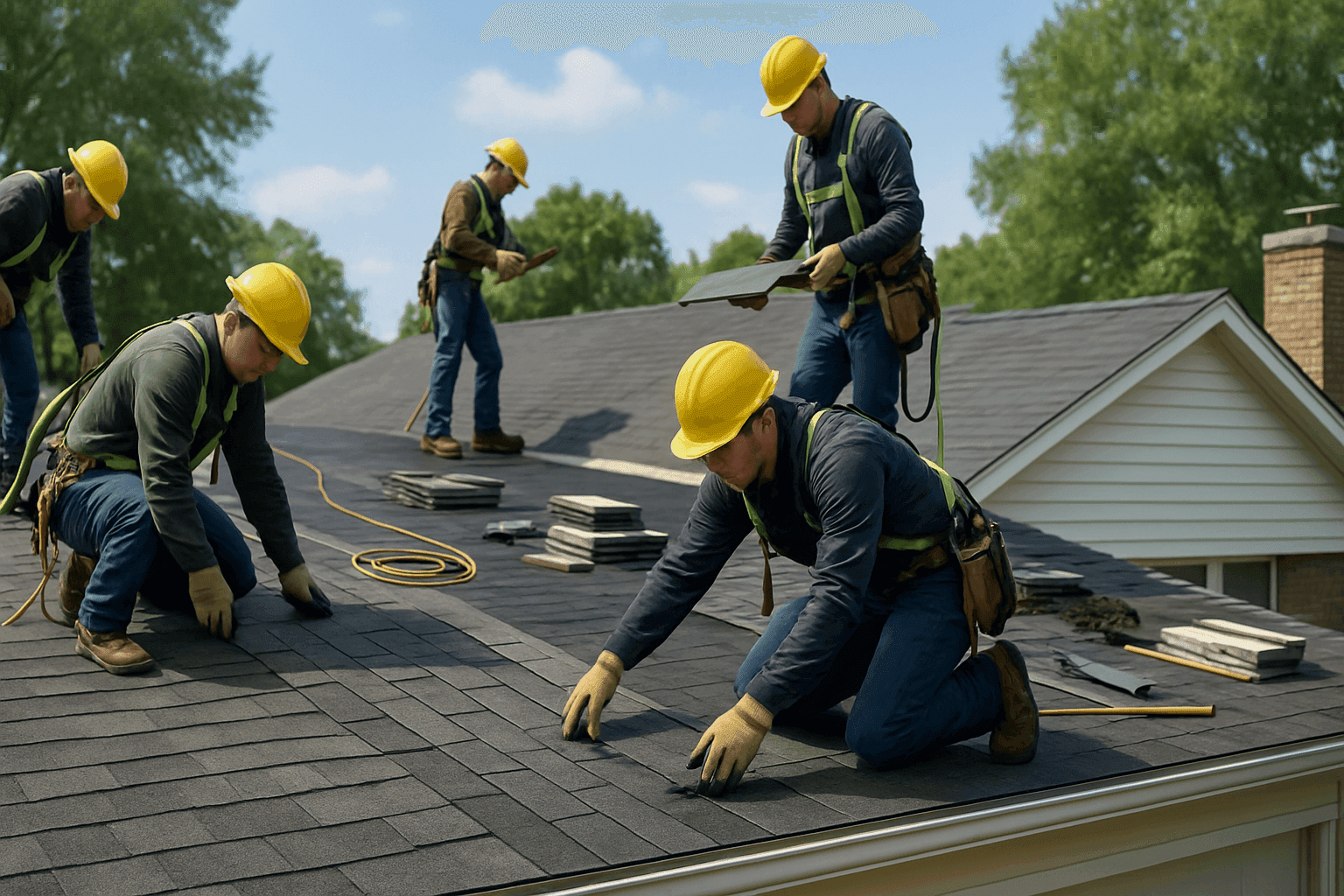
Does your roof keep you up at night? If you’ve noticed leaks, worn shingles, or just hit that 20-year mark, you’re probably wondering what a new roof will cost. It’s normal to feel overwhelmed. Roof replacement isn’t a small expense. But it’s one of the most important investments you’ll make to protect your home, your peace of mind, and everyone under your roof.
At BLH Roofing, we know every homeowner’s situation is unique. From Chimney Flashing to Gutter Installation, we’ve seen what works—and what to watch for. This guide breaks down roof replacement costs in plain language, so you can plan ahead and avoid sticker shock.
Understanding Roof Replacement: The Real-World Scenario 🏠
Roofs aren’t built to last forever. Think of your roof like a sturdy raincoat for your home—eventually, that raincoat gets holes or goes threadbare. According to the National Roofing Contractors Association (NRCA), most roofs last 20–30 years, depending on the material and how well they’re maintained.
When your roof starts to fail, the signs show up quickly: stains on your ceiling, curling shingles, granules in your gutters, or water pooling after a storm. Maybe a neighbor just had a replacement and you’re wondering if it’s your turn. The truth is, waiting too long can lead to bigger, costlier problems—like rotted decking or mold in your attic.
Quick Safety Checklist Before You Inspect
Before you climb a ladder or poke around your attic, safety comes first. A roof isn’t the place to take chances:
- Use a sturdy, properly placed ladder—never overreach.
- Wear shoes with good grip; avoid working in wet or icy conditions.
- Check for overhead wires or tree branches.
- If you spot sagging or soft spots, stay off the roof entirely.
- For anything beyond a visual check from the ground, call a professional.
DIY vs. Calling a Roofing Pro
Some homeowners consider DIY to save money. For small fixes (like resetting a gutter or minor Downspout Repair), that might work. But a full roof replacement is more like open-heart surgery than a patch job. Mistakes can be costly and dangerous.
Here’s why calling BLH Roofing—or another qualified pro—makes sense:
- We follow building codes and manufacturer guidelines.
- Our team is trained to spot hidden damage (like rotten decking or faulty Chimney Flashing near you).
- We use the right safety gear and techniques.
- Our work is covered by proper insurance.
- Plus, we can recommend eco-friendly options or improved ventilation for long-term value.
What Pros Do On Arrival
When you call BLH Roofing, here’s what to expect:
- Inspection: We’ll assess your roof’s age, materials, and wear. We check for leaks, damaged flashing, soft spots, skylight issues, and more.
- Measurements: We measure your roof’s size, slope, and unique features—chimneys, valleys, skylights, and more.
- Written Estimate: You’ll get a detailed estimate, breaking down materials, labor, removal, and any extra repair needs (like gutter repair or structural fixes).
- Timeline & Planning: We’ll talk through scheduling and any prep work you’ll need to do—like clearing driveways or moving patio furniture.
Prevention & Maintenance: Stretching Your Roof’s Life
A little care goes a long way. Regular inspections (every spring and fall), clearing gutters, and checking attic ventilation can help you avoid early replacement. Replace cracked sealants, keep downspouts clear, and address storm damage right away. The International Association of Certified Home Inspectors recommends annual roof inspections—even if things look fine from the ground.
Roof Replacement Costs & Time Factors
Let’s talk numbers. The cost of a new roof varies, but here’s what most homeowners can expect for common materials (national averages as of 2025):
- Asphalt Shingles: $7,500–$15,000
- Metal Roofing: $15,000–$40,000
- Tile Roofing: $20,000–$50,000+
- Flat Roofs (EPDM, TPO): $7,000–$20,000
These ranges cover labor, materials, and basic removal of the old roof. Your final price depends on several key factors:
Key Price Factors
- Roof Size: Larger homes = more material, more labor.
- Pitch/Slope: Steeper roofs require extra safety and time.
- Old Roof Removal: Tearing off old layers adds labor and disposal fees.
- Decking Repairs: If wood underneath is damaged, that’s an extra cost.
- Region: Prices vary depending on local labor rates and material availability.
- Material Choice: Higher-end materials (like slate or premium metal) cost more upfront but last longer.
- Labor: Experienced crews may charge more but do the job right the first time.
- Special Features: Skylights, chimneys, valleys, and complex shapes add to the price.
- Permits: Required in most areas—ask your contractor about local codes.
Timeframe
Most residential roof replacements take 1–3 days once work begins. Weather, material delivery, and the size of your home can all affect the timeline.
When Do You Need a Full Replacement (vs. Repair)?
Not every roof problem requires a full replacement. Sometimes, a repair or targeted fix is enough. But replacement is usually the right call if you notice:
- Multiple or widespread leaks, especially after storms.
- Shingles buckling, curling, or missing in large sections.
- Lots of granules in your gutters (means shingles are wearing out).
- Visible sagging in the roof deck.
- Extensive mold or rot in the attic.
- Roof is 20+ years old, especially if repairs are becoming frequent.
A professional inspection can help you decide. Repairs are great for isolated damage, but don’t throw good money after bad if the roof is near the end of its lifespan.
Hidden Costs You Should Know About 🔍
The sticker price isn’t the whole story. Here are some costs that catch homeowners off guard:
- Permits: Required in most towns—fees vary.
- Disposal: Old shingles and debris must go to a landfill.
- Ventilation Upgrades: Poor ventilation can void warranties and cause early failure.
- Structural Repairs: Hidden rot or water damage may need fixing.
- Gutter/Downspout Work: Sometimes discovered mid-project.
- Sealants & Coatings: Needed for extra protection, especially on flat roofs.
- Chimney Flashing or Cap Services: If flashing is rusted or loose, it’s smart to fix now.
Ask for a written estimate that spells these out. Surprises are only fun at birthday parties.
How Weather & Seasons Affect Your Project
Seasonal swings can impact both price and timing. Spring and fall are popular for roof work, but some materials (like asphalt shingles) install best in moderate temperatures. Extreme heat can soften shingles, while freezing temps make them brittle.
Storm season? Not ideal. Heavy rain or snow can delay projects, and after big storms, demand for roofing (and prices) may spike. If you need emergency services or storm damage restoration, call right away—don’t wait for small leaks to become big headaches.
FAQ: Homeowner Questions Answered
How long will my new roof last?
Typical lifespans: Asphalt shingles (20–30 years), metal (40–70 years), tile (50+ years), flat roofs (10–30 years). Quality materials and regular maintenance stretch these numbers.
Can I layer new shingles over old ones?
Not recommended. Local codes often limit one layer, and underlying problems can get worse. Removal is best for long-term results.
Will my insurance cover roof replacement?
Insurance may cover damage from sudden events (like hail or wind). Wear-and-tear or age is usually not covered. Check your policy.
Do I need to leave my home during the work?
Usually not. Roofing is noisy and messy, but you can stay inside as long as you’re comfortable.
Local & Seasonal Considerations
Every region has its quirks. Humid climates mean more algae and moss. High winds require special fastening techniques. If your area is prone to heavy snow or hurricanes, you may need upgraded materials or installation methods. Building codes (check with your local permitting office) and manufacturer warranties may also affect what’s required.
When in doubt, ask your roofing contractor about local best practices. A good roofer knows the local weather patterns and what’s needed for your area.
A new roof is a big investment—but it’s one that adds value, peace of mind, and years of protection to your home. Don’t let hidden costs or rushed decisions catch you off guard. Get a clear written estimate, ask about all possible fees, and work with a team that puts your safety first.
Call BLH Roofing now — or reach us anytime at 877-748-7294 .